

Nipple shape and size may change during pregnancy. While most tend to protrude out, it’s also common to have flat or inverted nipple(s).

You may find it takes you a bit longer to get breastfeeding established if one or both of your nipples are flat or inverted but you should still be able to breastfeed no matter what size or shape breasts and nipples you have with the right support.
Breastfeeding with flat or inverted nipples

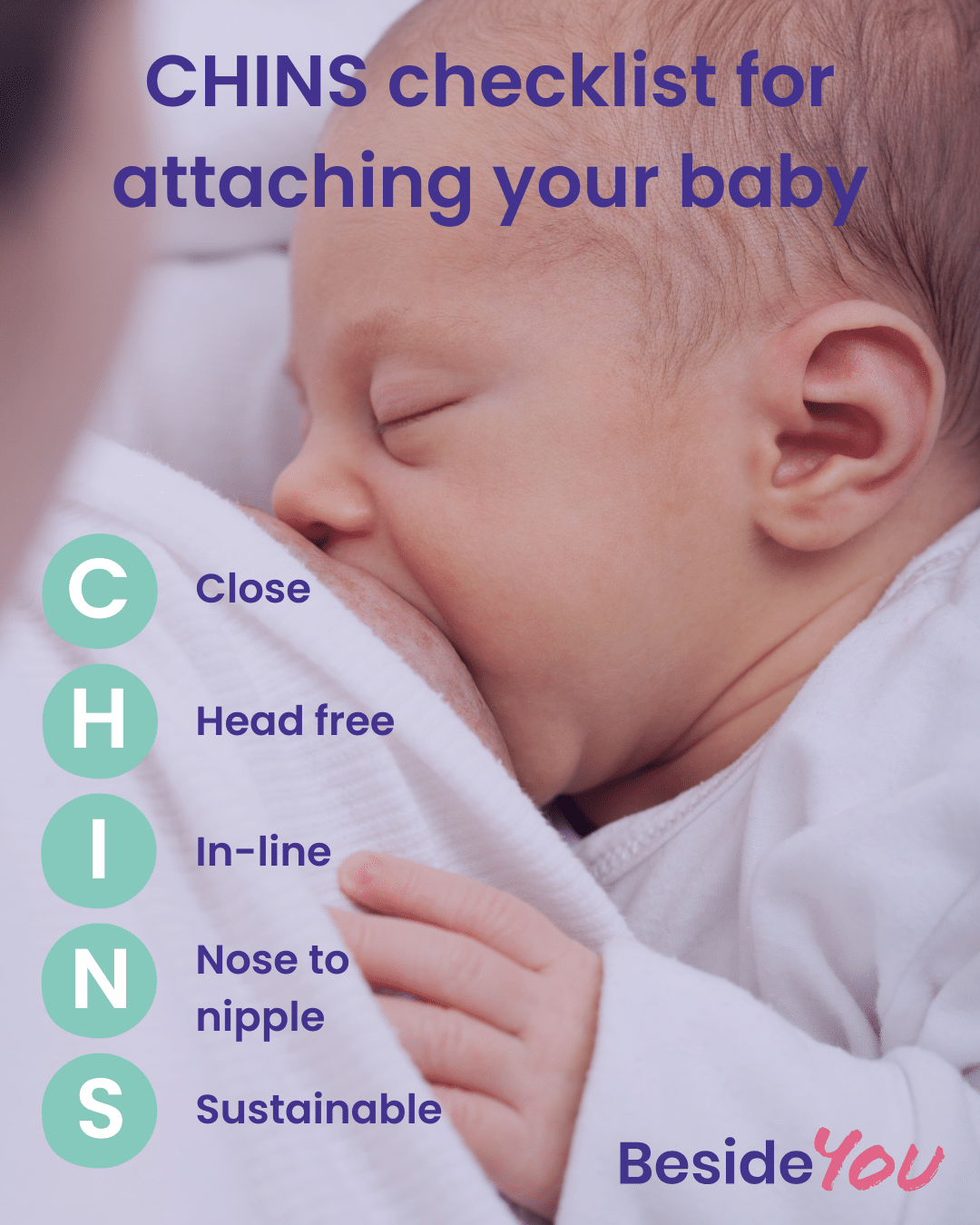
Making sure you have a good position and attachment is key. Ensuring your baby is held close, well‑supported, and able to open their mouth wide can make a big difference.

A deep latch allows your baby to take in a good mouthful of breast, which will help them feed effectively and comfortably.

Some parents find that if one or both nipples are flat or inverted, it may take a little longer to get breastfeeding well‑established. This is usually because your baby may need more time and support to achieve a deep latch. However, with the right help and positioning, most people can breastfeed successfully regardless of nipple or breast shape. What matters most is how your baby attaches to the breast, not the appearance of the nipple itself.

CHINS acronym checklist for positioning and attachment

Use the CHINS acronym as a guide to help latch your baby to your breast.

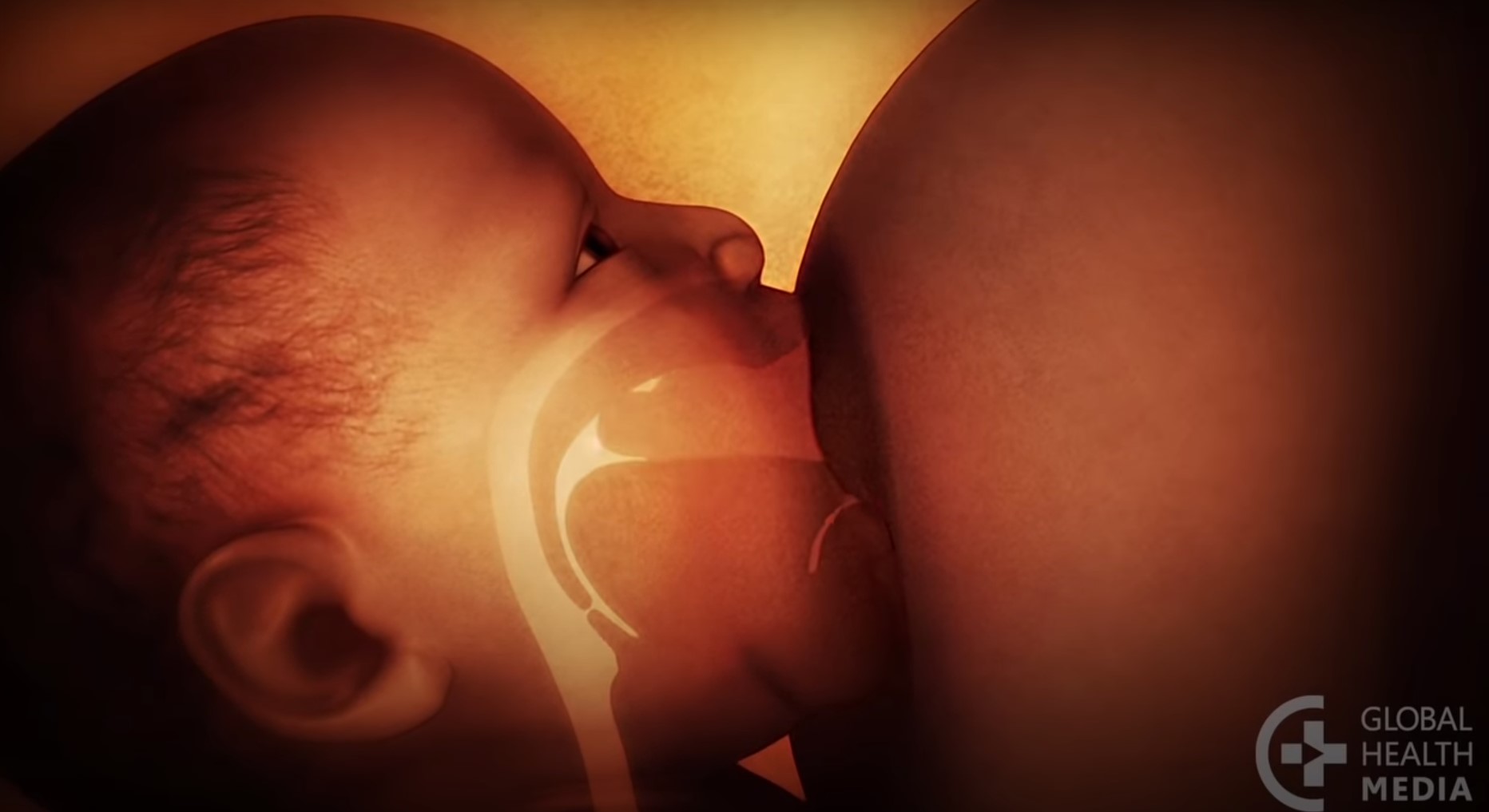
Your baby’s mouth should be open wide, with your nipple positioned towards the roof of their mouth, near the soft palate.

This helps protect the nipple from friction and enables your baby to draw milk more efficiently.

Baby breastfeeding close up

Good attachment will help a baby get more milk and make breastfeeding more comfortable. This video shows why good attachment is so important to breastfeeding success and what a mother can do to deeply attach her baby to her breast.